
National Gallery, London
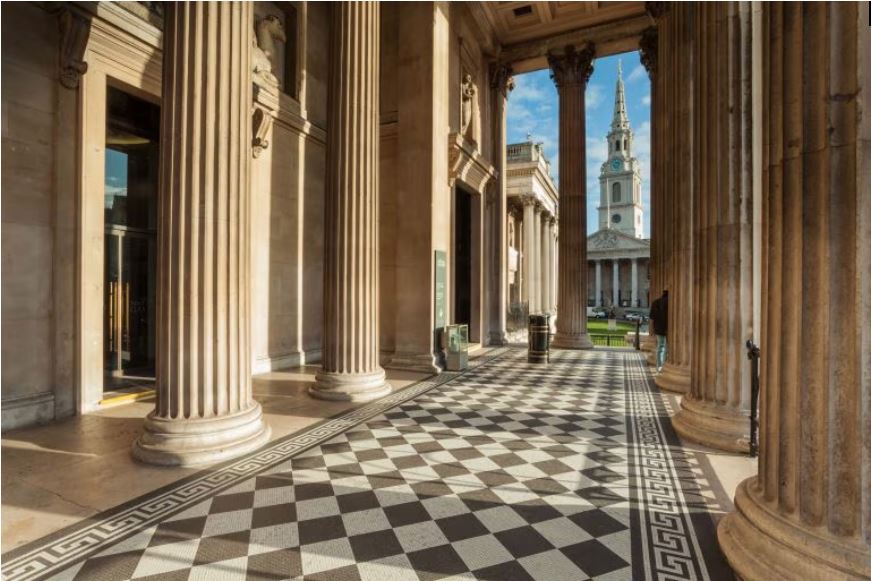
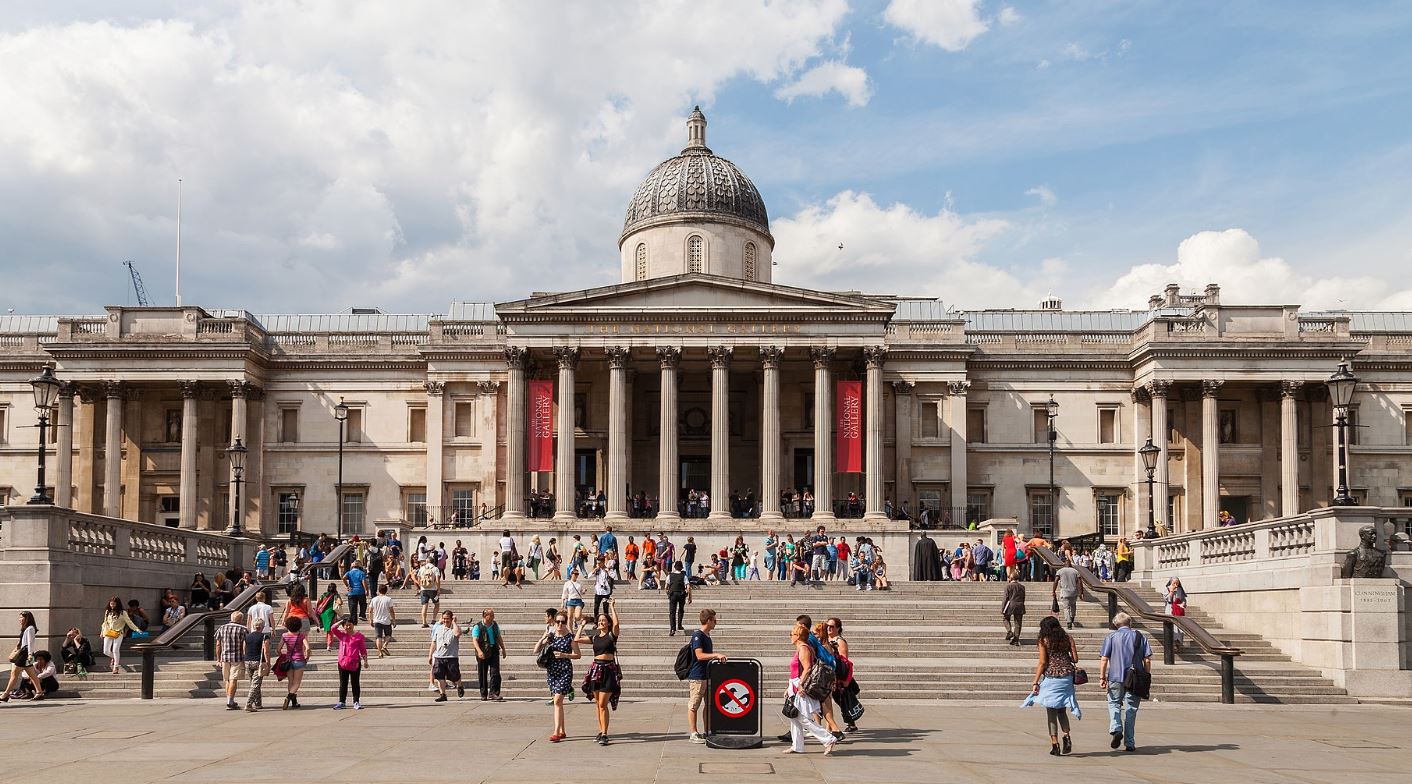
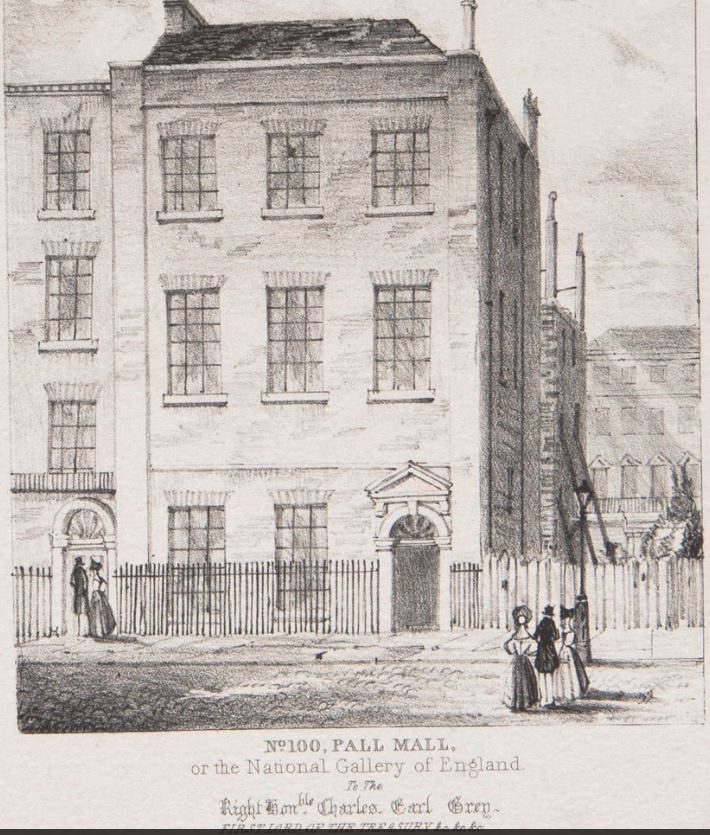
The National Gallery in London was founded in 1824 with the British government purchasing 38 paintings from the estate of Russian-born banker John Julius Angerstein (1735–1823) to form the core of the collection. Unlike many European counterparts, it was not formed by nationalising a royal collection. Instead, it has been built largely through private bequests and public funding. Initially housed in Angerstein's former townhouse at 100 Pall Mall, the gallery was quickly deemed too small for its expanding collection, which included early gifts from Sir George (Howland) Beaumont (1753-1827), 7th Baronet and Reverend Holwell Carr (1858-1930), a talented amateur painter and a great connoisseur. In 1838, the gallery relocated to its current Neoclassical building in Trafalgar Square. It was designed by William Wilkins (1778-1839).
Sir Charles Lock Eastlake (1793-1865) was appointed as the gallery's first Director. He toured Europe, acquiring early Italian Renaissance works, thereby elevating the gallery to international importance. In 1897, popularity and overcrowding led to the founding of the National Gallery of British Art (now known as Tate Britain), which took over the majority of British works. During World War II, to protect the art from the Blitz, the entire collection was evacuated to Manod Quarry, a slate mine in North Wales. During this time, the gallery at Trafalgar Square hosted famous lunchtime concerts by pianist Myra Hess (1890-1965) to boost public morale.
In 1991, a major postmodern extension, The Sainsbury Wing, designed by Robert Venturi (1925-2018) and Denise Scott Brown (b. 1931), was opened, providing a dedicated space for Early Renaissance paintings. Its design followed a controversial earlier proposal that Prince Charles (now King Charles III) famously described as 'a monstrous carbuncle on the face of a much-loved and elegant friend'. Today, the National Gallery houses over 2,300 paintings dating from the mid-13th century to 1900. In 2024, it celebrated its bicentenary with a major capital project to refresh the Sainsbury Wing and a historic policy change to begin acquiring 20th-century artworks. At the time of writing, admission to the permanent collection remains free.
Image(s) below (click to enlarge):
Number of Artists referenced:
17